
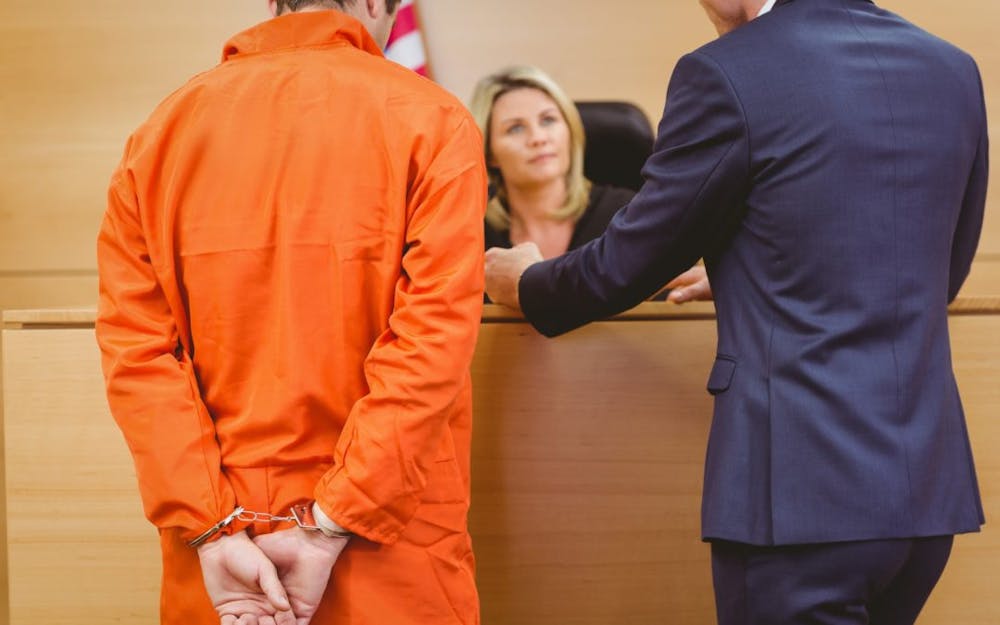
Getting charges dropped is one of the best ways to end your criminal case. While dropped charges may not be as permanent as a “not guilty” verdict at trial, getting charges dropped before trial starts means less time in jail, less time under bail supervision, and fewer expenses for going to trial. The Ventura assault defense attorneys at The Law Offices of Bamieh and De Smeth explain how you may be able to get your case dropped before trial if you face charges for assault in California.
What Does it Mean to Have Charges Dropped Vs. Dismissed?
When your charges are “dropped,” it means the prosecutor has decided to stop pursuing them and has canceled the charges. It is up to the DA or prosecutor on your case whether they will drop charges, but policies at the DA’s office might prevent them from being able to drop certain cases.
Instead of getting a case “dropped,” you could have it “dismissed” by a judge. Instead of the prosecutor dismissing the charges, this means the judge dismissed the charges against you. Usually, judges do this when they do not see sufficient evidence to support the charges or when the alleged events do not legally qualify as the charged offense.
Juries can also end the case by “acquitting” you with a not guilty verdict. However, this happens during the trial. This is the strongest way to beat your case, but it is only available after a jury has been empaneled and sworn in.
Prosecutors can drop the case, and judges can dismiss the case, at any point in the process between arrest and the verdict. However, if the case is dropped or dismissed before a jury is sworn in, it can be refiled with additional research and evidence.
The other way to ensure that your charges are permanently dropped, other than waiting for trial, is to make a deal with the prosecution. If your criminal defense attorney strikes a deal with the prosecution to drop charges in exchange for cooperation, a guilty plea to other charges, or some other benefit, the DA must follow that contract and cannot refile the case against you after dropping it.
Why Would a Prosecutor Drop Assault Charges?
Assault charges occur in many different situations, some of which have very strange or convoluted facts. Many assault cases come from fights, where both sides may have been the aggressors. Additionally, many domestic violence cases come from situations behind closed doors, where it may be unclear how severe the attack was or whether it occurred at all. Facts like these can call into question how the crime occurred, whether any defenses warrant the case being dropped, and whether the charges are legally justified.
If a prosecutor believes that the crime was not actually committed or that they do not have enough evidence to charge you with the crime, they should drop the charges. Prosecutors should not aggressively seek unfounded convictions, and it is their duty to drop charges they know they lack probable cause to charge.
In addition, there may be obvious legal flaws in the case that warrant its dismissal. For instance, it is not assault if you strike someone else in self-defense. In clear-cut cases of self-defense, the prosecutor should not harass the victim by pressing charges for assault; they should drop the charges and let them move on with their life. If the prosecutor refuses to drop charges, a judge will often dismiss the case if the facts clearly show the case was self-defense and there is no probable cause to charge you.
One of the most common reasons prosecutors drop charges is as part of a plea agreement. Plea agreements commonly work in one of a few ways. First, the prosecutor may allow you to plead guilty to a lesser offense in exchange for not fighting the case at trial. For instance, you may be able to plead to a disorderly conduct charge instead of assault if the prosecutor offers such an agreement. Alternatively, you may be able to have some charges dropped in exchange for a plea to another charge. For instance, if you are charged with both assault under Penal Code § 240 and battery under Penal Code § 242, the prosecutor may accept a plea to assault in exchange for dropping the battery charge. Lastly, the prosecutor may ask for other assistance in exchange for having charges dropped, such as testifying in another case.
Lastly, assault charges are sometimes dropped when both parties are equally culpable. Sometimes, the court system does not need to be bothered with small cases or disagreements gone wrong. If two people are both aggressively fighting each other, the police may simply refuse to charge either of them. Alternatively, they may file charges, and the prosecutor may later drop them rather than burden the court.
Assault Lawyer Offering Free Consultations
If you were charged with assault or battery in California, it is important to understand the charges and your options for having them dropped or dismissed. The Ventura criminal defense lawyers at The Law Offices of Bamieh and De Smeth may be able to help. To schedule a free legal consultation with our lawyers, contact our law offices today at (805) 643-5555.