Divorce Overview

What Are the Eligibility Requirements for a Divorce?

One of the spouses must have resided in the state for a minimum of six months before filing for divorce. You must also file in a particular county in the state, and to qualify to file for divorce in any California county, one of the parties must have resided in that particular county for at least three months before filing.

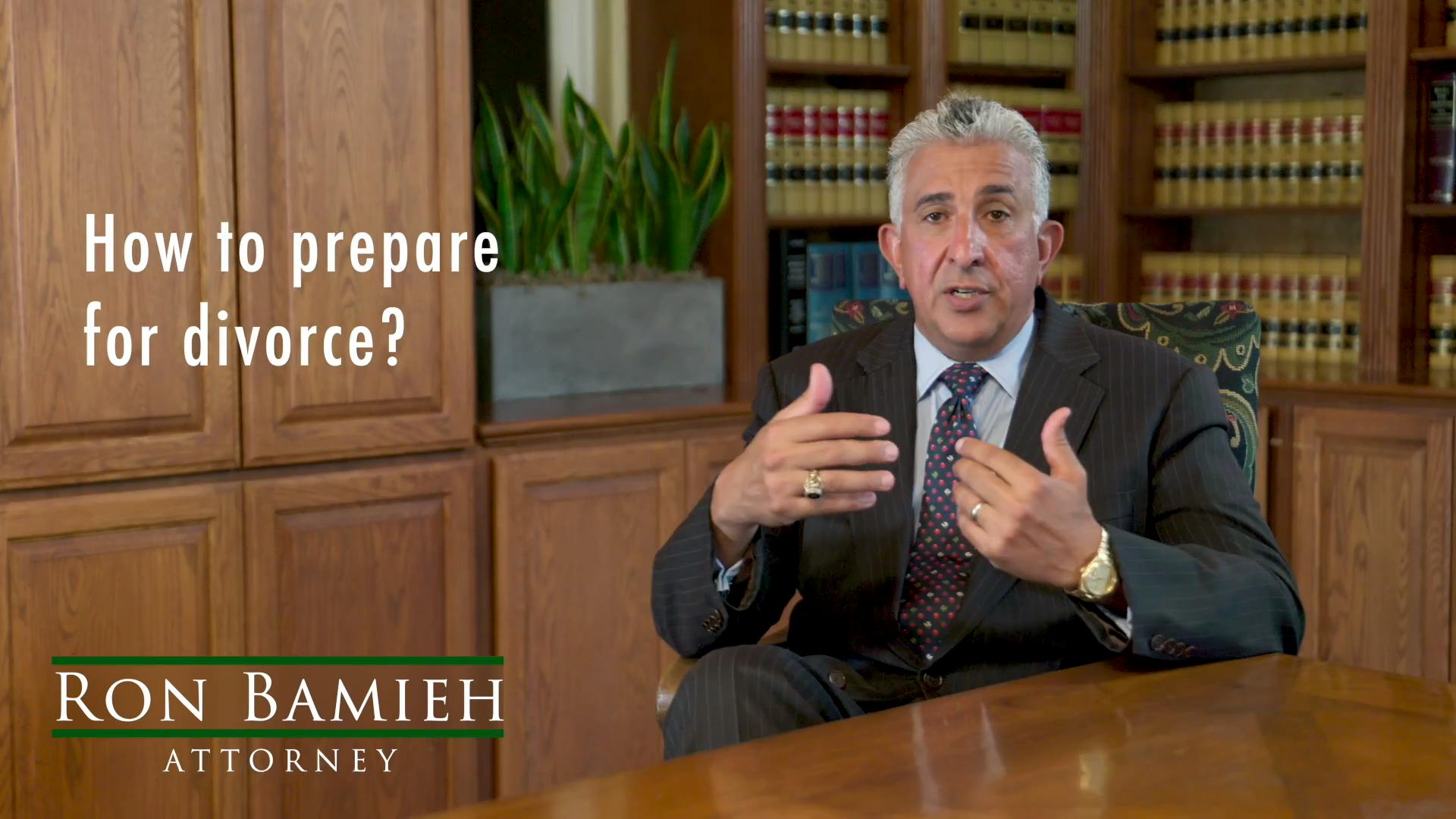
Ron Bamieh  talking about divorce

Grounds for Filing for Divorce in Santa Barbara and the “No-Fault” Rule

When you file for divorce in Santa Barbara, you typically select the proper “grounds” for your divorce. In some states, there are both “no-fault” and “fault-based” grounds for divorce, providing petitioners with options for filing for divorce. In California, there is only one set of grounds for divorce: irreconcilable differences. This is a “no-fault” type of divorce, meaning that you do not need to prove any wrongdoing to get your divorce finalized.

When you file for a no-fault divorce, you claim that you and your spouse have differences that get in the way of staying married. If these differences involve abuse or adultery, you do not have to carry the burden of proving these issues in court. Instead, you can file for divorce with or without any legal “cause” for divorce.


Banner media

What Are the Types of Divorces?

Although there is only one set of grounds for divorce – no-fault divorce – there are still different “types” of divorce cases. If you file your case and your spouse responds in court to challenge your asset division or child custody, the case is typically called a “contested divorce.” This is different from two different types of “uncontested divorce” you can file in California. A divorce is called an “uncontested divorce” if your spouse does not challenge the case when it goes to court. This can happen in many cases where you and your spouse agree on divorce terms or you worked with divorce attorneys to form a divorce agreement before filing your case.

If you have an agreement, the divorce will be “uncontested” and can proceed quickly after going to court. A divorce case can also be “uncontested” if it is a “default divorce.” A default divorce is one where the respondent does not come to court at all. If you do not respond to a divorce case filed against you, the divorce will be granted anyway and you will have no say in the legal outcomes. This essentially means not putting forth any objection to decisions like being stripped of child custody or ordered to pay alimony. This is generally not recommended. In some cases, you can file for “summary dissolution.”

Typically, a judge must approve a divorce case, and there is a 6-month waiting period between when you file your case and when you can get your case before a judge. In cases where you have not been married very long, have few shared assets, and do not have children, you may be able to get divorced a bit quicker by handling your divorce without a judge. In these summary dissolution cases, you and your spouse file together with all agreements worked out, and the courthouse can approve your divorce without having you appear before a judge. However, you must still wait 6 months before the divorce can be finalized.

man and woman looking at documents

How Do You File for Divorce in Santa Barbara, CA?

In California, you file for divorce by filing your paperwork with the court and serving the respondent – your spouse – with divorce papers. Before filing, there is a lot of work you need to do to fill out the proper forms, gather information about your case and your finances, and verify that your documents are properly in order. When you file for divorce, the court will need information about your children, your finances, and other areas of concern in a divorce.

The financial information can be quite difficult to gather on your own since you will need to make a full list of all assets and finances you control – jointly or separately from your spouse. A Santa Barbara divorce attorney can help you complete difficult paperwork. There are also legal requirements to make sure that your spouse has proper notice of the divorce and an opportunity to be heard in court. Your attorney can help you meet these standards for serving the divorce papers. When you file for divorce, there is a 6-month waiting period. During this time, you may be legally separated and start to live apart, but you will still be legally married until a judge finalizes your divorce.

Is It Worth Getting a Santa Barbara Divorce Attorney?

As part of your divorce case, there are many legal issues you may need help with from an experienced Santa Barbara divorce attorney:

  • Asset division – California is a 50/50 property division state, but there are opportunities to protect investments and assets through agreements.
  • Alimony – Spousal support payments are a vital financial issue in many divorce cases.
  • Child custody – If you are divorcing with children, the court will need to make child custody decisions in your case.
  • Child support – If parents live in different households, courts will order child support orders to have parents share the cost of raising their children.
Background media

Client Successes Why Clients Choose Us

I cannot recommend Ron Bamieh and Anzac Jacobs highly enough.

I was wrongly accused of a misdemeanor charge. From the very beginning, Ron approached my case with incredible patience, empathy, and professionalism. He took the time to listen, understand my concerns, and explain every step of the legal process in a way that was clear and reass...

Exceptional skill and professionalism

Danielle De Smith handled our case against a school district in Ventura County with exceptional skill and professionalism. I initially approached the situation as a fiercely protective mother, ready to fight, but Danielle’s grace, expertise, and strategic approach proved fa...

I would highly recommend the Law Office of Bamieh and de Smith!

We worked with Atty Jacobs to help us with an issue with our loved one and things could have been so much worse if we hadn’t of had his expertise and compassion. When you’re in a situation when you need help with a loved one, not only are you desperate but you’r...

Bamieh & Smith were awesome and would definitely recommend.

Mr. Anzac Jacob's was one of the best Lawyer I could've been blessed with. Top to bottom , Professional, honest, caring, and he has a great heart. He did his best for me. He never made me feel like he did not care about my situation, without Mr. Jacobs and Mr. Bamieh, I think I w...

I would recommend hiring Bamieh & De Smeth.

They are very transparent and up front with you regarding your matter. Never having any experience with the matter I hired them for, they explained everything that was happening, would be happening or could happen. Meghan Sherry took on our matter and made us free welcome and nev...

First time I met Ron he welcomed me with open arms.

His sincerity and willing to help me was shown immediately. Ron stood by my side, showed up for me and checked in on my emotional well being every step of the way. Not only is he a great lawyer but a genuine person who sees good in others and wants to help good people.
Words...

Professional, honest, and confident

From my initial conversation with Ron and his team, I was put at ease by their professionalism, honesty and confidence. He clearly described the process and what I could expect in the following months. He was thorough in his preparation and in court, he was calm and calculat...

Grateful for exceptional legal support with a better-than-expected outcome

I am so grateful to my neighbor who recommended this law firm. After being in a terrible accident where I was hit by a car on my bicycle, I wasn’t sure about contacting a lawyer, but after months and months of pain and frustration I decided to give them a call. I’m so...

I highly recommend this law office.

From the moment I stepped in for my first consultation, I felt welcomed and reassured. The team is professional, compassionate, and truly listens to their clients. I left that first meeting with a sense of relief, knowing I was in capable and trustworthy hands. Thank you for your...

Amazing firm.

Ron is straight to the point and will give his honest opinion on the case. Very knowledgeable team that will do their best. I am personally impressed on how they handled my case. They gave me light at the end of a tunnel that seemed endless.

Request a Free Consultation

Contact Us
Contact us media

Dividing Property in a Divorce

Because California is a community property state, married couples are considered a single entity for property ownership purposes. This means that any assets or property acquired or earned by either spouse during the marriage will be considered community property, meaning it is owned by both parties. Additionally, any debt incurred by either spouse during the marriage is considered community property. The community property rules apply even if the couple resided in a state that doesn’t follow the community property rules at any time in their marriage.

If you have any property or assets you already owned before getting married, or if you were given an inheritance or gift during the marriage, these will be considered separate property, which only you own. Additionally, any purchases made using separate property are also considered separate property. For example, if you received $20,000 from your mother’s estate and used the money to purchase a vehicle, the vehicle will be considered separate property.

Once you have sorted out what’s separate property and what’s community property, you must figure out how to distribute the community property amongst yourselves. You and your spouse can come up with your own agreement if possible, or get help from a mediator. If you still can’t agree on how to distribute the community property, it will be up to the judge to decide on the matter. You and your spouse must abide by the decision of the judge.

You will need to assign monetary values to your assets and properties for the purpose of distributing them between you and your spouse. Accurate appraisals are especially necessary for real estate and costly items, such as antiques, jewelry, or art. This also applies when assessing the value of any retirement assets like annuities or 401(k) accounts. The following are basic options for splitting up property:

  • Sell everything and divide the proceeds.
  • Determine which properties each spouse should have.
  • Have one spouse buy out the other spouse. For example, if you want to stay in and keep the family home, you can give half of the house’s value to your spouse.

Another common option is to retain joint ownership of certain property. For example, you can retain joint ownership of the family home if you have kids, even if only one of you will be physically living in the house with the kids.

Banner media

Child Custody and Parenting Time in a Divorce

Both you and your spouse can share custody of your children or just one of you, depending on what you and your spouse agree on.

The judge will make the final determination about custody and parenting time or visitation. However, the judge will normally approve a parenting plan or arrangement that both parents created.

Otherwise, the judge will need to decide custody and parenting time matters based on the children’s best interests. When determining what’s best for the children, the judge, among other factors, will consider the following:

    • The ages of the children
    • The children’s overall health
    • The emotional bonds between the children and each parent
    • The ability of each parent to take care of the children
    • The children’s ties to home, school, and the community
    • Any history of substance abuse or family violence
    • Each parent’s overall health

    Take note, however, that judges typically don’t decide on custody and parenting time matters until they’ve met with a Family Court Services mediator.

    Child Support in a Divorce

    Judges will take into account a variety of factors when deciding on the amount of child support a non-custodial parent must pay. These usually include:

    • The children’s ages
    • Both parents’ net income
    • Which parent declares the children as dependents for tax purposes
    • The time each parent spends with the children
    • Health insurance expenses
    • Retirement plan contributions
    • Both parents’ property taxes and mortgage interest
    • Mandatory union fees
    • Mandatory retirement contributions

    Judges can order support for covering a range of expenses. These can include essential needs, such as food, shelter, clothing, and other expenses like childcare, schooling, health insurance, extra-curricular activities, and travel expenses for visitation, among many others. Judges will base the child support amount on the net disposable income of the parent. This is basically income after federal and state taxes and other necessary deductions.

    Likewise, judges may base the child support amount in part on overtime, commissions, bonuses, and other non-wage or supplemental income if they decide that this income comes in regularly. But certain income will not be counted when deciding the child support amount. For instance, judges will not consider income from SSI or Supplemental Security Income, General Relief/General Assistance, and CalWORKs.

    Spousal Support in a Divorce

    A judge can likewise order one spouse to provide alimony or spousal support to the other spouse, which could be temporary or permanent. When figuring out how much spousal support is fair, judges consider the following:

    • Each spouse’s health and age
    • The length of the marriage
    • Income and assets of each spouse
    • The couple’s living standards during the marriage
    • Each spouse’s earning potential
    • Each spouse’s professional skills
    • The sacrifices each spouse made while married
    • Debts accrued while married
    • Financial support provided to one spouse for training, education, etc.
    • Any history of domestic violence or criminal acts

    If you need help with your divorce case or any of these related issues, contact our Santa Barbara divorce lawyers today.

    Banner media
    Ron Bamieh

    Why Choose the Santa Barbara Divorce Lawyers at Bamieh & De Smeth, PLC?

    Whether you are considering divorce, responding to a petition, or navigating complex issues such as property division, spousal support, or parenting arrangements, The Law Offices of Bamieh & De Smeth, PLC provides experienced guidance at every stage of the divorce process. Our attorneys understand how emotionally and financially challenging divorce can be, and we are committed to protecting your rights while helping you move forward with clarity and confidence.

    Our firm’s dedication to excellence has been recognized through honors, including:

    • Top 100 Trial Lawyer by the National Trial Lawyers Association
    • 10/10 “Superb” rating by Avvo
    • Top Tri-County Law Firm by the Pacific Coast Business Times (2019)
    • Southern California Rising Star by Super Lawyers
    • 10 Best Attorneys in California, American Institute of Family Law (2017–2018)

    Divorce can reshape every aspect of your life, making trusted legal support essential. When you work with the Bamieh & De Smeth divorce lawyers in Santa Barbara, your case receives focused attention, thoughtful strategy, and strong advocacy tailored to your goals. Contact our office today at (805) 643-5555 to schedule a free and completely confidential consultation.

    Best Law Firm in Ventura County

    Ventura County Reporter (2021 - 2022)

    Doctor credentials

    Top 5% of Lawyers in California

    California Super Lawyers (Ron Bamieh)

    Doctor credentials

    Favorite Law Firm in West County Ventura

    Ventura County Star

    Doctor credentials

    Family Friendly Law Firm of the Year

    Santa Barbara Women Lawyers (2022)

    Doctor credentials

    Our Experienced Legal Team

    See All Staff
    Attorney Bamieh outside

    Founding Attorney, Partner Ron S. Bamieh

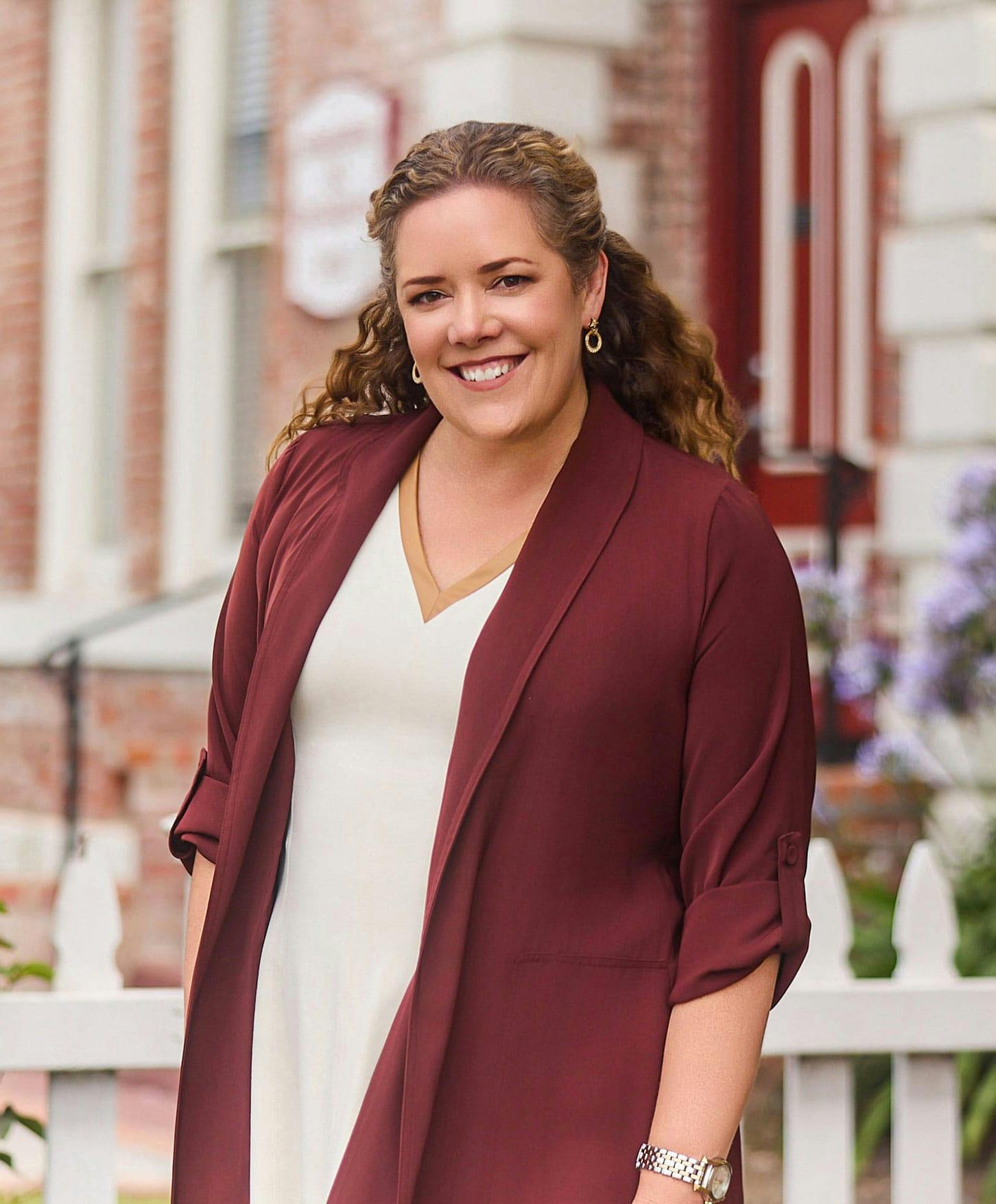
    Danielle De Smeth

    Managing Attorney, Partner Danielle De Smeth

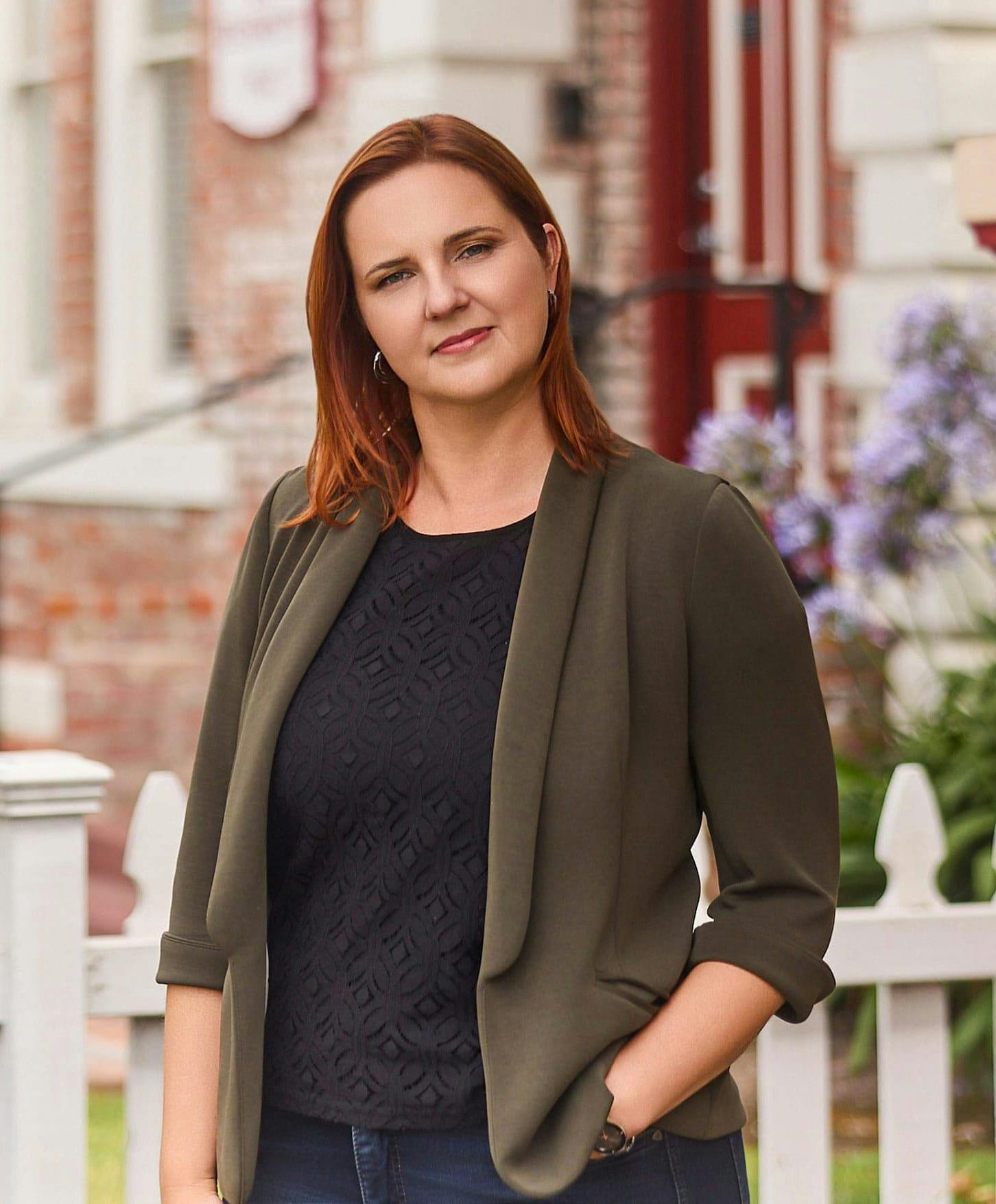
    Jennifer Yates

    Attorney & Partner Jennifer Yates

    Jason D. Frantz

    Attorney Jason D. Frantz

    Anzac Jacobs

    Attorney Anzac Jacobs

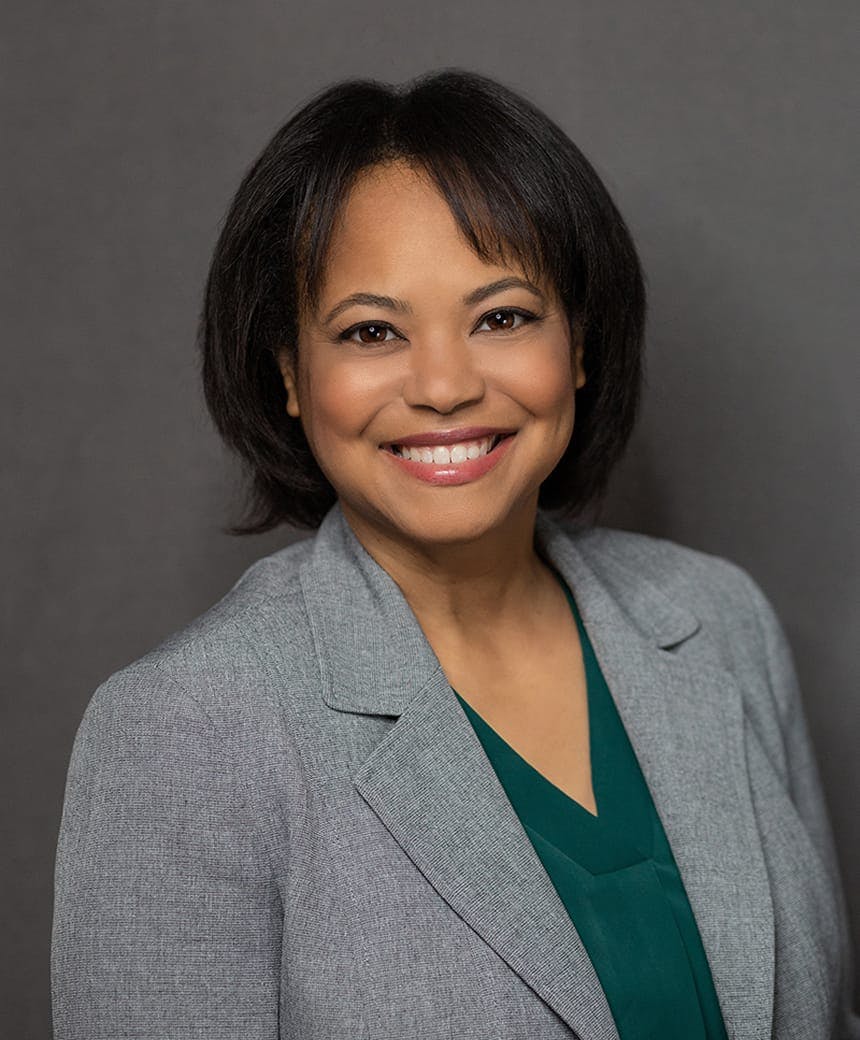
    Thelma Corsa portrait

    Attorney Thelma Corsa

    Meghan Sherry portrait

    Attorney Meghan Sherry

    Charlotte Krem portrait

    Attorney Charlotte Krem

    pattern background

    Stay Informed With Our Latest Legal Insights

    Our blog offers valuable information on legal topics, recent case studies, and tips to help you navigate the legal system with confidence. Explore our latest posts below.

    ocean background
    pattern background
    Contact us media
    Accessibility: If you are vision-impaired or have some other impairment covered by the Americans with Disabilities Act or a similar law, and you wish to discuss potential accommodations related to using this website, please contact our Accessibility Manager at (805) 643-5555.
    Contact Us