What Are the Grounds for Divorce in Ventura, California?

The term “grounds for divorce” refers to the legal reasons for the divorce or dissolution of the marriage. Every state, California included, has its own laws pertaining to grounds for divorce. Many states recognize particular situations or actions, such as felony conviction or habitual drunkenness, as formal grounds for divorce. However, because California is a “no-fault” state with regard to divorce, you will not be able to cite your spouse’s actions as grounds for divorce. Instead, most divorces in Ventura are attributed to “irreconcilable differences” which have caused the marriage to permanently and irreparably break down.

Though significantly less common, California also recognizes and permits divorce proceedings which are based on “permanent legal incapacity to make decisions.” Be advised that, in order to use this as the basis for your divorce, you will be required to supply documentation and evidence proving your husband or wife (1) is insane at the time you file your petition for divorce, and (2) will remain incurably insane for the foreseeable future. The vast majority of Ventura residents cite irreconcilable differences as their reason for getting divorced.

Critically, you must satisfy California’s divorce residency requirements before filing for divorce in Ventura or any other location in the state. Fortunately, these requirements are fairly easy to fulfill. In order to get a divorce in Ventura, either you or your spouse must meet the following requirements:

  • You or your spouse must have resided in California for the past six months, at minimum.
  • You or your spouse must have resided in Ventura County or other counties for the past three months, at minimum.

If you have any questions about the residency requirements or grounds for divorce in Ventura, California, please contact our Ventura divorce attorneys. Our family law lawyers can help you determine whether you meet the necessary requirements and what steps you need to take to initiate or progress the divorce proceedings.

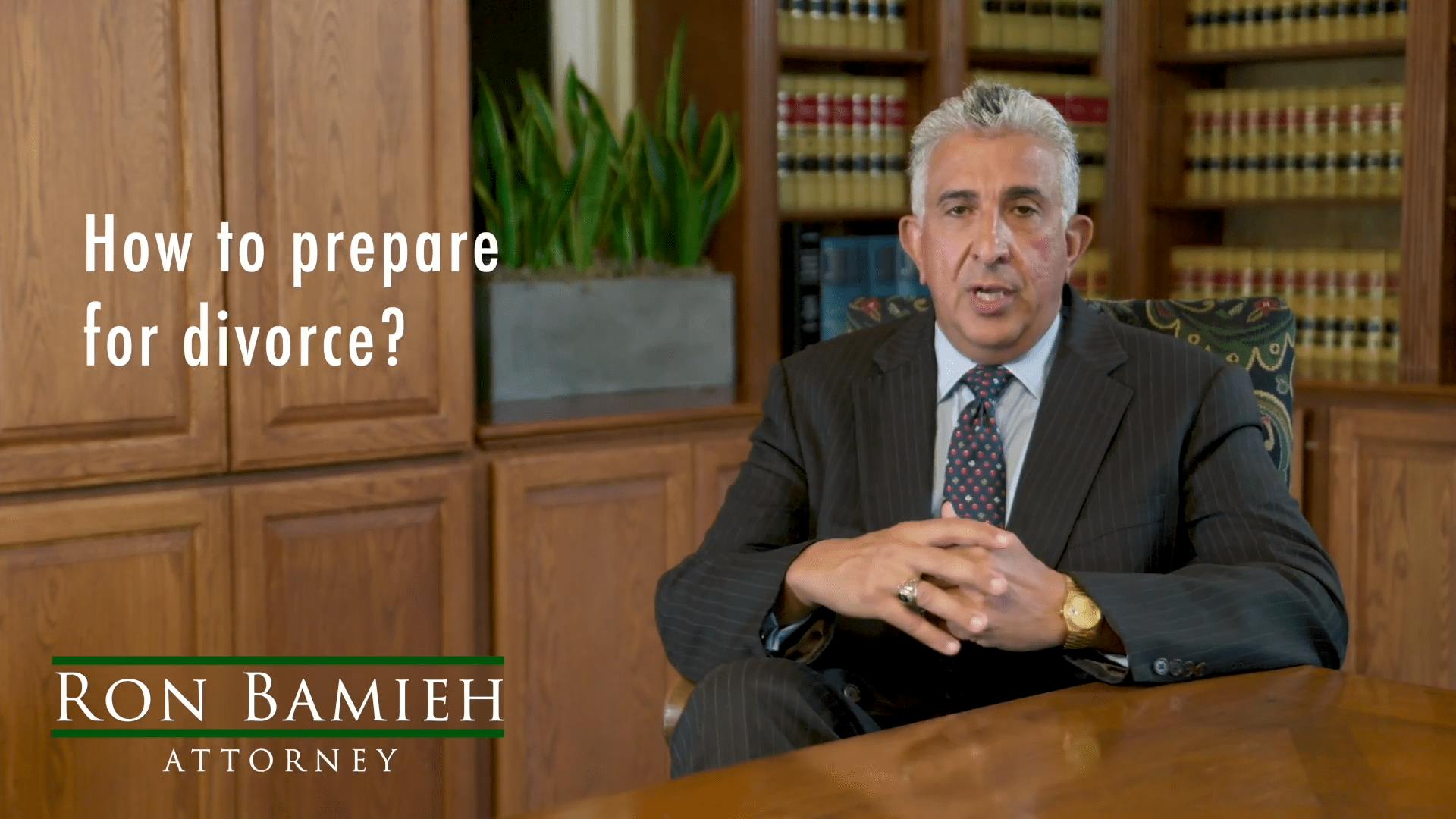
How Do I Prepare to Get Divorced?

ocean background

Real Client Testimonial

They have helped me on a couple of occasions. One in the past and one recently with amazing legal advice for an incident. They are very genuine, professional, and I feel amazing to have them represent me. Don’t hesitate to contact them.

J.E.

Request a Consultation

Contact Us
Contact us media

What Is the Divorce Process?

Getting divorced in Ventura, CA, can be a difficult and complicated process. Even in amicable situations, challenges can arise when sorting through finances and determining how property should be divided. When disputes involve alimony, child custody, child support, or property division, the process can become even more complex.

Regardless of your situation, approaching divorce without legal guidance can put you at a disadvantage—especially if your spouse has representation. Working with an experienced divorce attorney in Ventura can help protect your rights and improve your chances of achieving a favorable outcome.

Key steps in the Ventura divorce process include:

  • Filing the Petition: The process begins when one spouse files a petition for divorce with the court.
  • Serving the Other Spouse: The petition and summons are served on the other spouse (the “respondent”), notifying them of the case, outlining requests for issues like custody or support, and providing important deadlines.
  • Response and Temporary Orders: The responding spouse may file an answer. Either party can request temporary orders for custody, visitation, or support while the case is pending.
  • Risk of Default Judgment: If the respondent fails to respond, the court may issue a default judgment, limiting their ability to contest terms or present their side.
  • Financial Disclosures: Within 60 days of filing, both parties must complete detailed financial disclosure forms outlining income, assets, and debts.
  • Discovery Process: Each side reviews and exchanges financial and relevant information to support decisions regarding custody, support, and property division.
  • Settlement or Trial: Many cases are resolved through negotiation, mediation, or settlement conferences. If no agreement is reached, the case may proceed to trial.
  • Parenting Plan Requirements: If children are involved, both parties must submit a parenting plan. If no agreement is reached, the court will decide custody based on the child’s best interests.
  • Timeline for Resolution: Divorce cases can take several months or longer, depending on the complexity of the issues and the level of disagreement between spouses.
Banner media

The Terms of Your Divorce

While divorce is the straightforward dissolution of a marriage contract, there is nothing straightforward about most divorces. Each divorce follows its own course, and it can be difficult to predict what that will look like from the outset. There are, however, universal terms that apply to every divorce, including:

Let’s take a closer look at each that applies to your situation.

The Division of Your Marital Property

In California, marital property refers to the assets and debts – or their overall value – that you and your spouse came to own over the course of your marriage. This is your marital estate, and it belongs to both of you equally. Upon divorce, these assets are generally divided between the divorcing spouses equally.

Any assets that belonged to either of you when you married will remain your separate property – as long as you’re able to keep the property separate throughout your marriage, which can be a challenge. The following two points are important to keep in mind in relation to separate property:

  • Any increase in an asset’s value will likely be considered marital
  • Any commingling of marital and separate assets can alter the separate nature of an asset

Child Custody and Parenting Time

California addresses child custody in terms of both legal custody and physical custody, which it calls parenting time. Legal custody determines primary decision-making concerns, such as those related to:

  • Your children’s schooling
  • Your children’s religious upbringing
  • Your children’s healthcare
  • Your children’s extracurriculars and travel
  • Where your children make their primary home

Parenting time sets the schedule whereby you and your divorcing spouse will divide your time with your shared children. If you’re able to create a parenting time schedule that works for your family, the court is very likely to include it in your child custody orders. If not, however, you can expect one of the court’s standard issue schedules.

California courts base every child custody decision on the best interests of the children, and some of the best interest factors they turn to include:

  • The preferences of those children who are mature enough to weigh in
  • The overall mental and emotional stability of each parent
  • The children’s needs and each parent’s ability to address them
  • Any record of domestic violence or illegal drug use on the part of either parent

Child Support

Both parents are responsible for continuing to financially support their children throughout their childhoods, and child support is the tool that’s used. A wide range of factors go into the calculation process, but even when parenting time is balanced between both parents, the higher earner typically makes the child support payments.

Alimony

Alimony is called spousal support in California, and it is a tool that’s employed only when divorce leaves one spouse without the financial ability to continue supporting themself financially while the other can provide support.

Ron Bamieh

Why Choose the Divorce Lawyers at Bamieh & De Smeth in Ventura, California?

Whether you are beginning the divorce process, navigating contested issues, or working toward a fair resolution, The Law Offices of Bamieh & De Smeth, PLC provides knowledgeable guidance and strong advocacy at every stage. Our team understands how complex and emotionally charged divorce can be and works to protect your interests while helping you move forward with clarity and confidence.

Our firm’s commitment to excellence has been recognized through honors, including:

  • Top 100 Trial Lawyer by the National Trial Lawyers Association
  • 10/10 “Superb” rating by Avvo
  • Top Tri-County Law Firm by the Pacific Coast Business Times (2019)
  • Southern California Rising Star by Super Lawyers
  • 10 Best Attorneys in California, American Institute of Family Law (2017–2018)

Every divorce is different, and the decisions you make now can have lasting effects on your future. When you work with the Bamieh & De Smeth divorce attorneys in Ventura, you receive focused attention, clear communication, and a strategy tailored to your goals. Contact our office today at (805) 643-5555 to schedule a completely confidential consultation.

Our Experienced Legal Team

See All Staff
Attorney Bamieh outside

Founding Attorney, Partner Ron S. Bamieh

Danielle De Smeth

Managing Attorney, Partner Danielle De Smeth

Jennifer Yates

Attorney & Partner Jennifer Yates

Jason D. Frantz

Attorney Jason D. Frantz

Anzac Jacobs

Attorney Anzac Jacobs

Thelma Corsa portrait

Attorney Thelma Corsa

Meghan Sherry portrait

Attorney Meghan Sherry

Charlotte Krem portrait

Attorney Charlotte Krem

Best Law Firm in Ventura County

Ventura County Reporter (2021 - 2022)

Doctor credentials

Top 5% of Lawyers in California

California Super Lawyers (Ron Bamieh)

Doctor credentials

Favorite Law Firm in West County Ventura

Ventura County Star

Doctor credentials

Family Friendly Law Firm of the Year

Santa Barbara Women Lawyers (2022)

Doctor credentials

Contact an Experienced Ventura, CA, Divorce Attorney for Legal Help

If you live in Ventura, CA, and need help filing for divorce, responding to divorce papers, getting a legal separation, ending your domestic partnership, or any other aspect of the separation or divorce process, turn to The Law Offices of Bamieh & De Smeth, PLC for aggressive representation backed by years of experience. Our divorce attorneys in Ventura are well-versed in California divorce law and can work to protect your right to spend time with your children, retain control over your valuable property and assets, and other important components of marriage dissolution. Matters our legal team can assist you with include:

  • Alimony/Spousal Support Disputes
  • Child Custody Disputes
  • Child Support Disputes
  • Divorce for Business Owners
  • Divorce for Military Members and Veterans
  • Divorce for Parents
  • Divorce for Senior Citizens
  • Divorce for Young Couples
  • Divorce Mediation
  • High Net Worth Divorce
  • Legal Separation
  • Same-Sex and LGBT Divorce
  • Uncontested Divorce/Default Judgments

Reviews media

Divorce FAQs

Will I receive alimony?

If you can demonstrate that your divorce leaves you with a financial need and that your spouse has the means to offset it, the court will consider alimony.

Are mothers more likely to be awarded primary custody in California?

California courts are gender-neutral on the matter of child custody. The children’s best interests always prevail.

Will my spouse’s wrongdoing have an effect on our property division?

California is a no-fault state, so your spouse’s wrongdoing will not affect your property division – unless they committed financial fraud on your marital estate.

pattern background

Stay Informed With Our Latest Legal Insights

Our blog offers valuable information on legal topics, recent case studies, and tips to help you navigate the legal system with confidence. Explore our latest posts below.

ocean background
pattern background
Contact us media
Accessibility: If you are vision-impaired or have some other impairment covered by the Americans with Disabilities Act or a similar law, and you wish to discuss potential accommodations related to using this website, please contact our Accessibility Manager at (805) 643-5555.
Contact Us